Augmented Reality (AR) for Kids
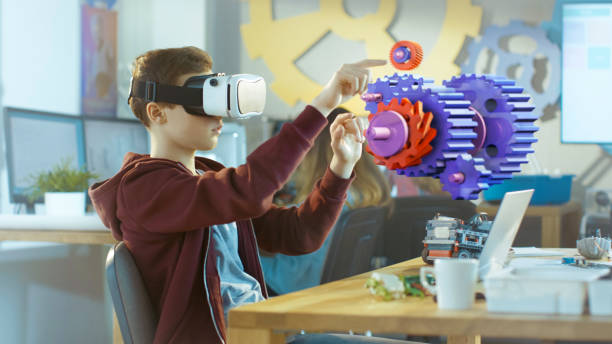
AR can be used to teach concepts in Science, Technology, Engineering, and Mathematics (STEM) by bringing abstract concepts to life. For example, AR apps can show 3D models of planets or animals.AR apps enable kids to create digital art and 3D objects in their physical space. This encourages creativity and allows them to see their creations in a new way.
Virtual Reality (VR) for Kids
VR applications can allow kids to conduct virtual science experiments in a safe and controlled environment, fostering a love for STEM subjects.VR platforms designed for kids can provide a social experience, allowing them to interact with friends or peers in a virtual space, fostering collaboration and communication skills.
The Future Of AR/VR Education In Schools
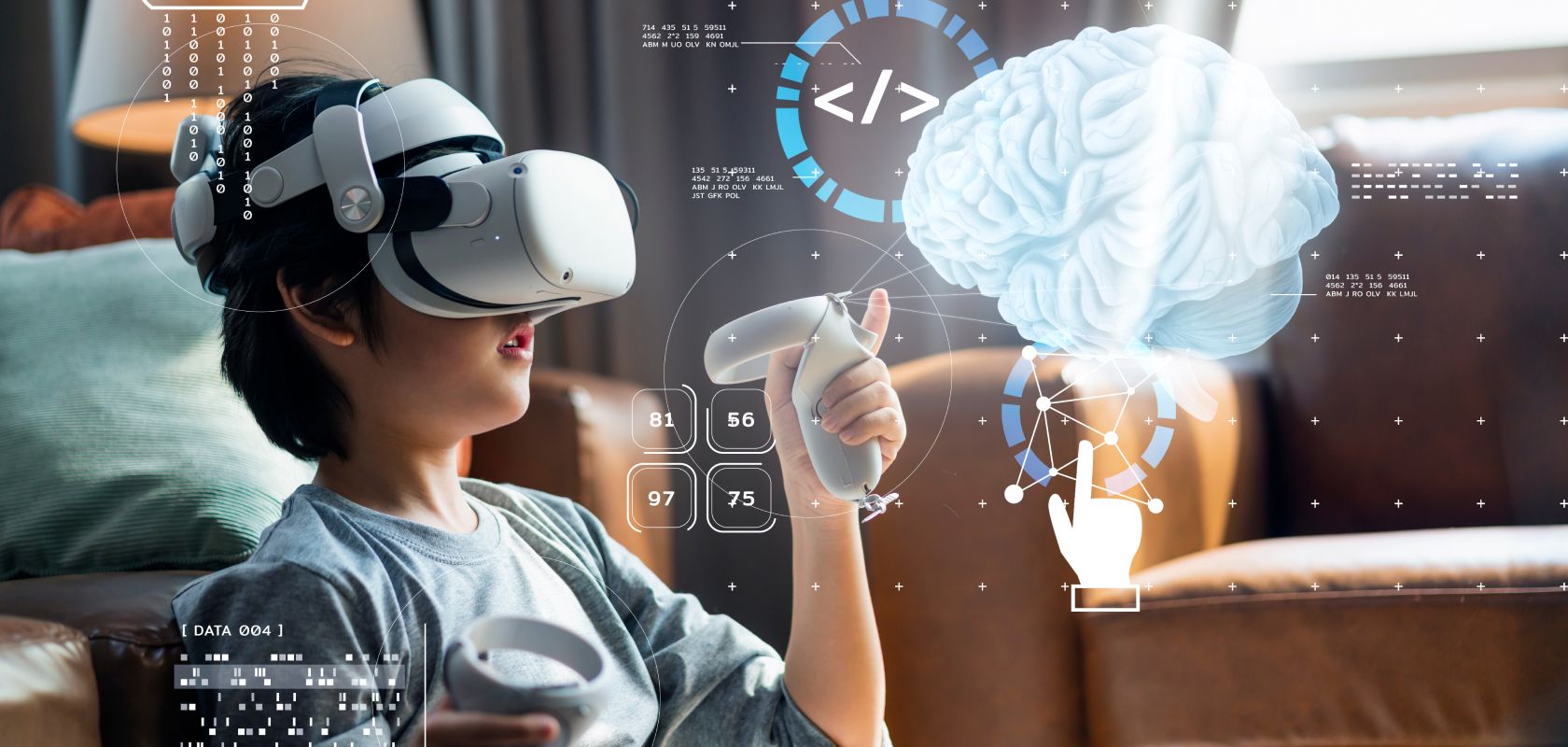
- Integration with Artificial Intelligence (AI) can enhance the adaptability of AR and VR learning experiences. AI algorithms can analyze students' interactions and tailor content to meet their specific needs.
- As technology advances, costs associated with AR and VR hardware are likely to decrease, making these technologies more accessible to a broader range of schools and students.
- As AR and VR become more integrated into education, ethical considerations regarding data privacy, content appropriateness, and equitable access will become increasingly important.
Benefits of AR/VR
Visual and Spatial Understanding:
Virtual environments help children develop spatial awareness and visual understanding. They can manipulate 3D objects and explore complex concepts in ways that traditional methods might not offer.
Personalized Learning:
AR and VR technologies can adapt to individual learning styles, providing personalized learning experiences. This customization caters to each child's pace and preferences, promoting a more effective learning journey.
Enhanced Memory Retention:
Immersive experiences in AR and VR can lead to better memory retention. Children remember information better when they actively participate in the learning process and connect concepts with real-world experiences.
Increased Interaction and Collaboration
AR and VR can facilitate collaborative learning experiences, even if students are physically distant. Virtual classrooms or shared experiences encourage interaction, communication, and teamwork among children.
Accessibility for Diverse Learners:These technologies can be adapted to accommodate diverse learning needs. Features like audio instructions, visual aids, and interactive elements provide options for different learning styles and abilities.